
It’s three years since branding agency Koto opened its studio in New York. It’s led by executive creative director Arthur Foliard, who’s been with Koto since 2017, and Alex Monger, who was hired to be the new managing director after stints at BBH New York and Wolff Olins.
In recent months, the studio has released a stream of eye-catching work for big clients, including Amazon, Lyft and Tripadvisor. But it hasn’t always been plain sailing.
We sat down with the pair to discuss big wins, tough times, and why they always trust the process.
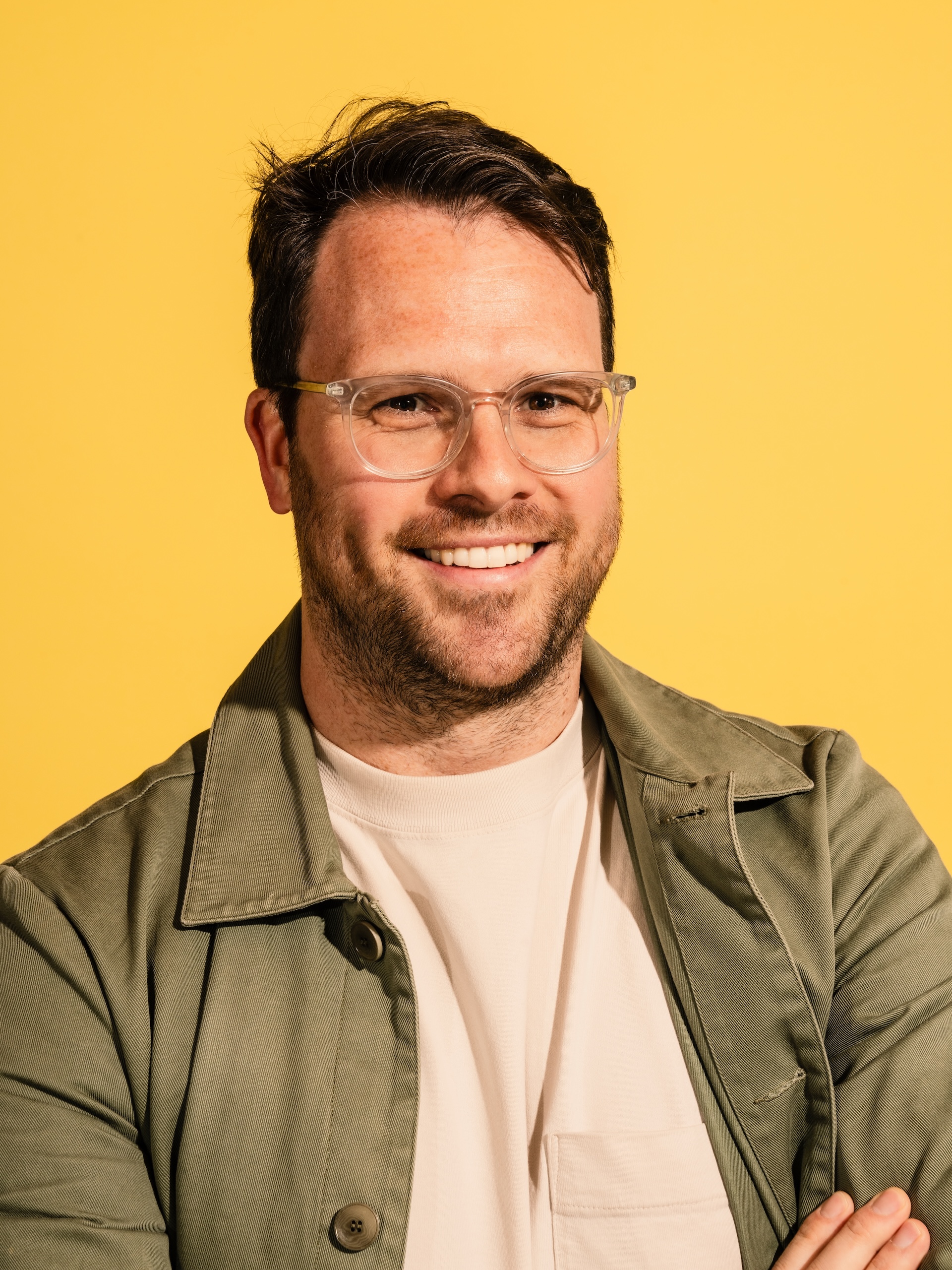
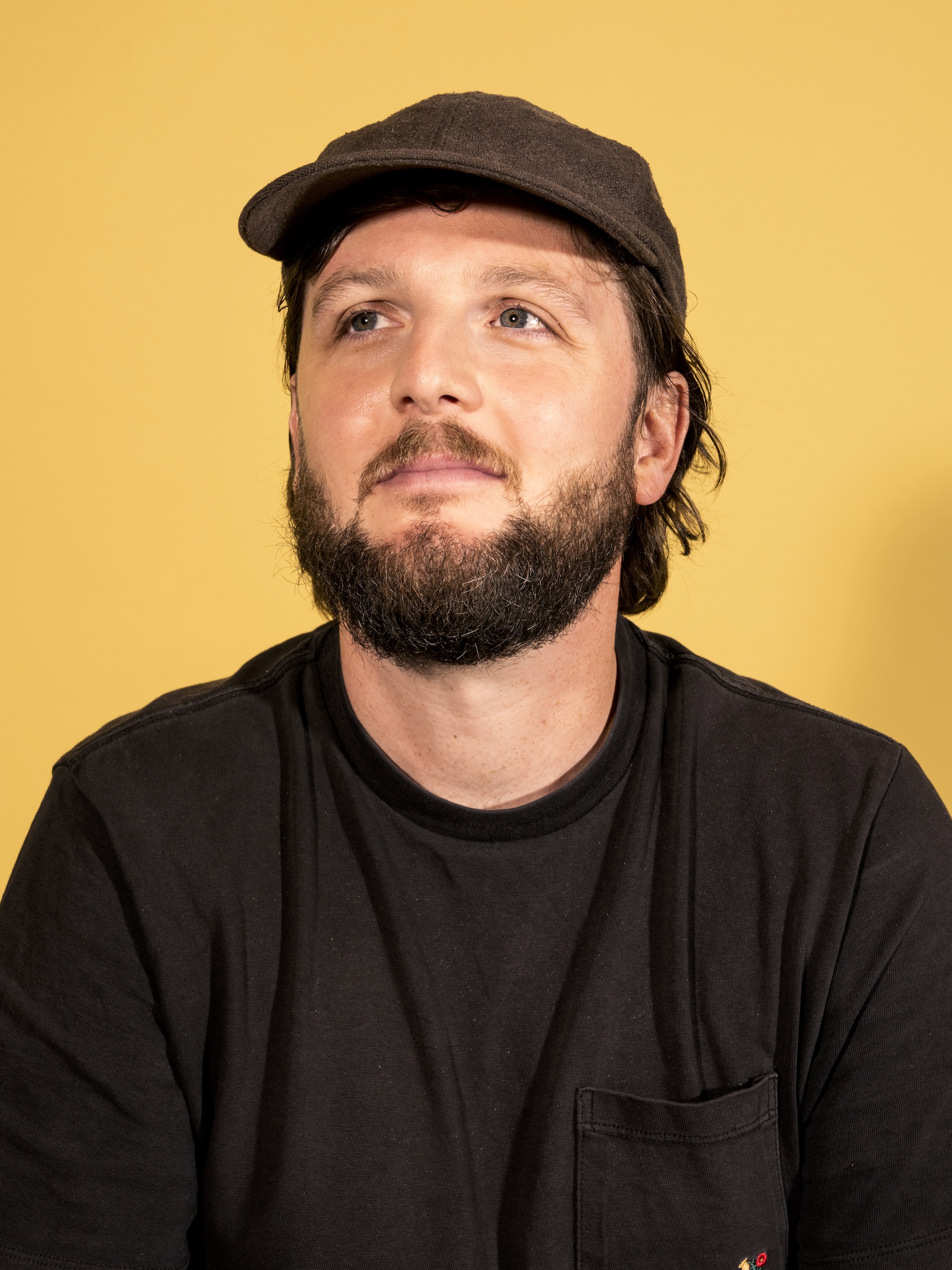
Why did Koto set up in New York back in 2022?
Arthur Foliard: There was a business decision, and there was an emotional decision.
It made a lot of sense to go to the East Coast, because we’re so successful on the West Coast, in LA and Silicon Valley. And we were smashing it in Europe.
But it felt like to be seen as a global studio, you almost had to be in New York. It’s a different beast – probably the most competitive space, with the best agencies. And there were projects we were losing because we weren’t in New York.
The emotional component comes down to me. I always wanted to come out here, to fight and win against the big guys.
I was communicating that to the founders, and I think they were like, ok let’s let him go, because he’s going to give everything to make it work.
They offered me the job in December 2020, between waves of Covid. And so it took a long time, almost 18 months, to get the visa sorted.
That was probably for the best, because it gave me 18 months to understand what the fuck I was doing.
Are there things about running an agency in New York that are different to the West Coast, or Europe?
Alex Monger: The main thing is how hyper-competitive it is.
There are so many agencies that we really respect and admire, both agencies that have been around for decades and been pioneers in our industry, but there are also new agencies all the time here. That creates very high standards you have to set and maintain.
Agencies always go through that cycle – they’re good for two years, and then they’re crap for five. That’s something you have to really be vigilant against in New York.
And everybody has moved here to do something. There is a shorthand to getting business done that exists in New York. It moves fast. We’ll have an RFP from a client, and two weeks later we’ll be starting work.
It’s very quick to get to ok, how can we help each other? That entrepreneurial spirit feels quite heightened. You know what we do. We know your goals. Let’s get going.
One of you was new to the business, and one of you was steeped in Koto lore. How did you decide what to keep, and what to reinvent?
Alex Monger: We’re building the studio in the image of Koto, but with our own take on it.
We had lots of early conversations around what are the things that we want to maintain from Koto? And what are the things we want to do, either to be more culturally attuned to what’s needed in New York, or just what Arthur and I have always wanted to build in our own studio?
We definitely wanted to keep that excellence culture, striving for the best possible creative work. As an outsider, I really appreciated the sense of humour that exists in Koto, and wanted to maintain that. Because it’s not just banter – it allows people to be really honest and open with one another.
Arthur Foliard: Something I was trying to find, which was really strong in London, is that partnership among the founders. You want to have that same ambition, that same entrepreneurial spirit.
So we want to make the best work, and hire the best people, and work with the best clients. But I also want to feel that if I need to call him at 11pm, because something isn’t going well, I could do that.
You both talk about that entrepreneurial spirit. Practically, how do you build that into a culture?
Alex Monger: People might think entrepreneurial spirit means the people making revenue for the agency. But what it really means is that we look for people who are excited to build something with us.
So not somebody who’s coming into Koto and expecting that everything’s already figured out. Rather, somebody who really wants to put their fingerprints on the place, and is excited to see the impact their work will have. We want to see that spirit in everyone.
Koto New York’s studio
We have a Monday morning meeting, and at the end, we spin a wheel that picks who’s going to take the trash out for the week, and who’s going to do the dishes. We call it the wheel of death.
Obviously, we could pay for somebody to come and do that for us. But we’re always going to keep that wheel of death, because the expectation is that everyone cares about the place as much as we do.
Arthur Foliard: When we moved to New York, we started in a small WeWork, a three desk office.
We took things step-by-step and we came in with this very humble mindset, which is no-one cares if Koto is in New York or not. No-one gives a fuck.
So we worked harder than anyone else – we were always pushing that little bit more, to show people that we were the right partners.
It sounds like the founders (James Greenfield, Caroline Matthews and Jowey Roden) gave you quite a lot of freedom to build this studio. That might surprise people given that Koto was successful already when you launched…
Alex Monger: They’ve done a great job of that, creating flexibility within the framework. All five studios have clear KPIs that we report on every quarter. And we have global policies, so some things are consistent.
But they really empower the leaders of each studio to go and do the right thing for that market.
Since I’ve been in New York, I’ve worked in agencies that are global, but with a New York outpost. And it felt like we were either being controlled by HQ, or by the holding companies.
So it was refreshing to have this relative autonomy. As long as, and this is something I had to learn, you’re communicating. You have to bring the rest of the Koto world along, explain your decisions, and make sure it’s not this little black box.
Arthur Foliard: They strike the right balance between empowerment, giving you the tools to feel like you’re in control, but also being very present when you need something.
Was there one project that made it feel like you’d arrived?
Arthur Foliard: The first project we won here was for Dentee, which is software for dentists. We were in that small WeWork when we found out, and we literally jumped on the table and started dancing.
It felt like, oh my god, Koto New York is real.
Koto New York’s work for De-Extinction
Alex Monger: For me it was a project for De-Extinction that we won in my first couple of weeks here. It felt like a validation.
At that time, we heard that another agency was referring to Arthur and I as, “Two lads in a WeWork.” Later we won some pitches against them, which was very nice.
Winning Amazon must have been a pretty big moment too?
Arthur Foliard: It was incredible. We’d been heads down, working so fucking hard. And it hadn’t been easy – there was a lot of disappointment along the way.
And it felt like, if we can win Amazon, we can win anything. But the thing I like about us as a studio, is that we’re excited for five minutes. And then it’s like, ok. How do we do this?
We have to make sure that we don’t fuck it up, because that would be worse than actually losing it.
Alex Monger: Amazon was a complete high – one of the best feelings I’ve ever had in my life. But it was a reward for the first 18 months, which were tough.
There was a moment that we went for a walk around the block in Williamsburg. We’d lost some money and new business clients were ghosting us. And I remember that conversation, where we decided, we’re just going to keep going. We’re going to keep striving, and it’ll turn.
Arthur Foliard: The entrepreneurial spirit really kicked in here. We’re going to take anything. Small $20k projects. Charity work. We’ll take it all.
We almost hit the lowest of the low, but we always trusted the process. And you struggle and you struggle, but you keep doing the same thing. You keep going the extra mile. And you keep your head just above water.
And then it works for Amazon. You’re like see! Trust the process.
Koto’s new work for Amazon
Did the pressure at that time come from the founders, or were you putting it on yourselves?
Alex Monger: On ourselves, but it was a positive pressure. We wanted it to be a success, and we never lost motivation.
Arthur Foliard: During those dark times, the founders were really good at telling us to keep going. They could see how hungry we were to make it work. If they saw us waiting, being passive, it might have been a different conversation.
From the outside, it seems the studio is on a bit of a roll. Is that how it feels from where you’re sitting?
Arthur Foliard: We’re doing better, but we are very ambitious. We want to create a legacy. And you don’t create a legacy with a few projects, however great they are. It’s all about consistency.
If you tell yourself that you’ve made it, you’re going to fail.
We’re trying to be so conscious that it could be different tomorrow. So how do we build on this success, and re-invent ourselves to make sure that we’re still relevant?
Koto New York’s work for Fluz
Along with success comes criticism – you see references now to the Koto-ifcation of branding, or Koto-core. How do you feel about that?
Arthur Foliard: It makes us laugh more than anything. We use Koto-core on Slack quite a lot.
But it proves that we’re becoming even more relevant. There are always going to be haters.
Alex Monger: We work hard to make sure that our work is always fresh and different. What’s consistent – whether it’s for a B2B SaaS company, or for a museum, or for Amazon – is that optimism.
You see that optimism, that confidence, and that bold style in our work.
I think that’s what people are now seeing as Koto-core. But when you actually go deeper, every project is different.
Arthur Foliard: At the end of the day, what’s really important is that clients are happy and proud of the work, and that we had a good time doing it. A sense of empowerment and growth.
When people look back in 20 years, we want them to remember this as a great place to work. That’s what will stay with them, not, was the logo the right vector?
Koto New York’s team